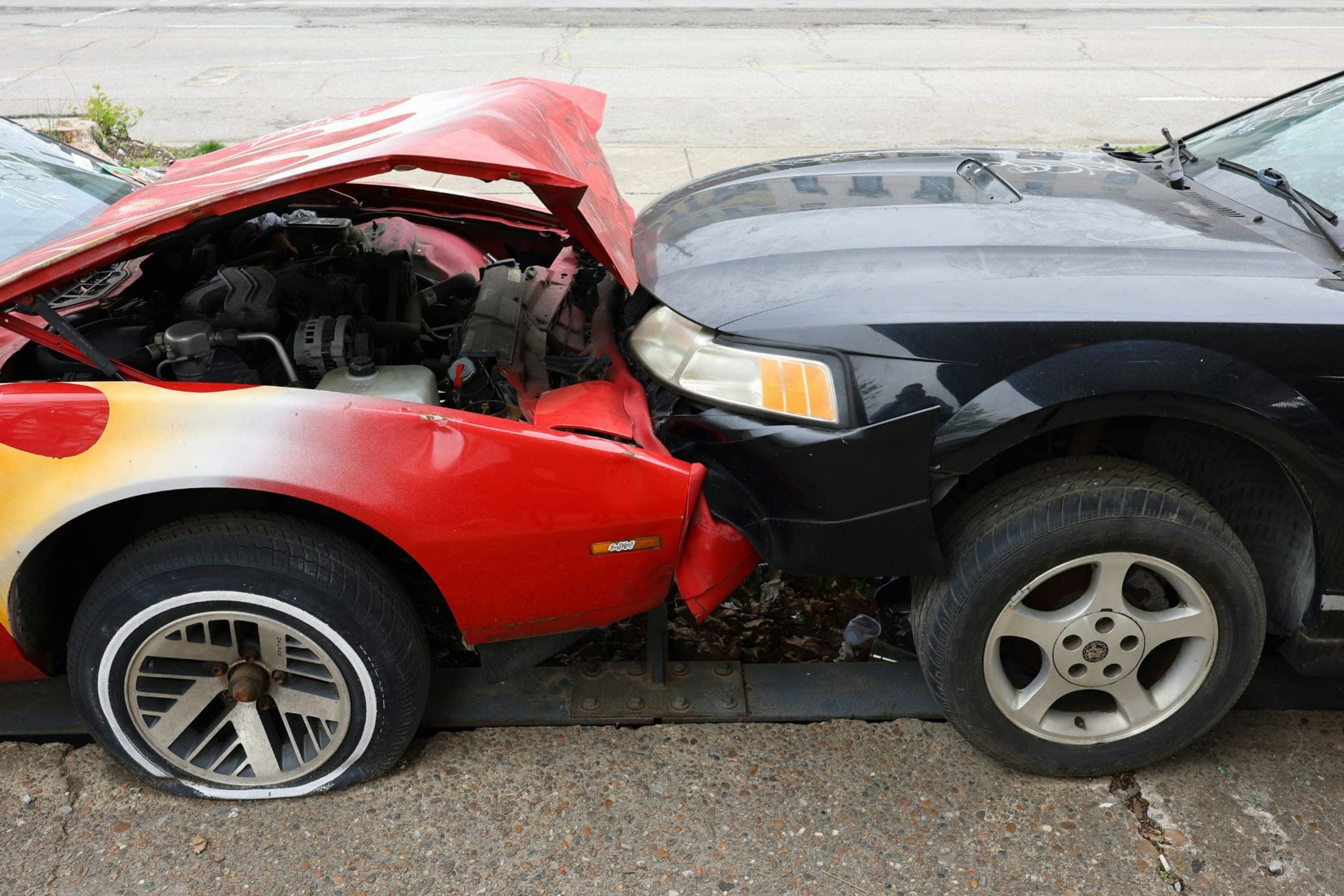
The car crash aftermath usually runs on four tracks at once: your body healing, your mind processing what happened, your finances absorbing bills and time off, and an insurance claim moving at its own pace. Knowing what's normal on each track, and what isn't, makes the months after a wreck a lot less overwhelming.
The first few days have their own checklist. This guide picks up where that one ends, covering the weeks and months that follow a car accident in Nevada.
What Are the Four Parts of the Car Crash Aftermath?
The first days are about urgent tasks, covered step by step in this Nevada car accident checklist, including the 10-day DMV report some crashes require. After that, the car accident aftermath settles into four parallel tracks: physical recovery, emotional recovery, money, and the claim itself. Each one moves at its own speed, and each one affects the others.
| N | Title | Line |
|---|---|---|
| 01 | Body | Soreness peaks, treatment begins |
| 02 | Mind | Stress reactions are common |
| 03 | Money | Bills arrive before any settlement |
| 04 | Claim | Moves at the pace of your recovery |
What Happens to Your Body in the Weeks After a Car Accident?
Soreness often peaks a day or two after a crash, once adrenaline wears off. Neck and back pain, headaches, and stiffness are the most common complaints, and some injuries don't show up clearly until later. Mayo Clinic's whiplash overview notes that whiplash symptoms usually start within days of the injury.
Most soft tissue injuries improve with treatment over weeks, but some linger for months. The recovery path usually includes a primary care visit, then physical therapy, chiropractic care, or a specialist depending on what's hurting.
Why do gaps in treatment matter?
Two reasons. Stopping early can slow your recovery, and insurers read gaps as a sign you weren't really hurt. If you have to pause treatment because of cost, work, or travel, write down why. Here's more on why it pays to continue treatment while your case is open.
What Does the Emotional Aftermath of a Car Crash Look Like?
For many people, the emotional side lasts longer than the physical one. Replaying the crash, jumping at brake lights, trouble sleeping, and avoiding the road where it happened are all common. The VA's National Center for PTSD explains that recovery after a traumatic event is a process that happens gradually, and that ongoing reactions for a while are normal.
Can you get PTSD after a car accident?
Yes. Mayo Clinic lists accidents among the most common causes of PTSD. Symptoms often start within three months but can appear later, and PTSD involves symptoms that last more than a month and interfere with work, relationships, or daily life.
Signs worth watching for include:
- Nightmares or flashbacks about the crash
- Avoiding driving, certain roads, or even riding as a passenger
- Feeling constantly on edge or easily startled
- Trouble sleeping or concentrating
- Feeling numb or detached from people close to you
Most people exposed to a traumatic event don't develop PTSD, but early support can keep normal stress reactions from getting worse. If disturbing thoughts about the crash last more than a month, talk to your doctor or a mental health professional. If you're ever in crisis, call or text 988 to reach the Suicide and Crisis Lifeline.
How do you deal with fear of driving after an accident?
Small, steady steps usually work better than forcing it. Start with short daytime drives on familiar streets, ride along with someone you trust, and build up to freeways like the 15 or the 215 over time. Talking about it helps too, whether with friends, family, or a therapist who works with anxiety and trauma.
Does emotional trauma count in a Nevada injury claim?
It can. Anxiety, fear, and lost enjoyment of life are part of the non-economic damages in a Nevada injury claim, alongside physical pain. Therapy records and notes from your doctor are what turn those experiences into something an insurer has to account for.
How Do You Handle the Money Side of a Car Crash Aftermath?
Bills tend to show up long before any settlement does. Nevada is an at-fault state, so the other driver's insurer usually pays your injury claim in one settlement at the end, not as each bill arrives. Something else has to carry the costs in the meantime.
| Cost | Where It Usually Gets Paid First | What to Know |
|---|---|---|
| Medical bills | Health insurance, MedPay, or providers who wait for settlement | Your health plan may seek repayment from the settlement |
| Hospital bills | Hospital lien against the settlement | Nevada keeps the lien off the attorney fee and cost portion |
| Car repairs | Your collision coverage or the at-fault driver's insurer | Collision pays faster but has a deductible |
| Totaled car | Actual cash value from the insurer | Nevada's total loss line is 65% of pre-crash value |
| Lost wages | Paid in the final settlement | Keep pay stubs and an employer letter |
What is MedPay, and do you have it?
MedPay is optional medical payments coverage on your own auto policy. Under NRS 687B.145, Nevada insurers must offer at least $1,000 of it, and many people carry more without realizing it. Check your declarations page. It can cover copays and deductibles quickly, regardless of fault.
If a hospital treats you, it may claim part of your settlement through a lien. Under NRS 108.600, that lien can't reach the portion of a settlement that goes to attorney fees and costs.
What happens if your car is totaled in Nevada?
Under NRS 487.790, a vehicle is a total loss when the cost of repair reaches 65% or more of its fair market value just before the crash, not counting paint, certain electronic components, or towing. The insurer pays actual cash value instead of repairs, and the car typically ends up with a salvage title. You can push back on a low valuation with listings for comparable cars and records of recent upgrades or maintenance.
What if your bills are bigger than the other driver's insurance?
It happens more than people expect. Nevada's minimum liability coverage under NRS 485.185 is only $25,000 per injured person. If your costs could exceed that, your own underinsured motorist coverage, which NRS 687B.145 requires insurers to offer, may cover the gap up to your policy limits.
How Long Does a Car Accident Claim Take in Nevada?
There's no set timeline, because the claim follows your recovery. Most injury claims shouldn't settle until your treatment is finished or your doctor can describe your future care, since a release ends the claim for good. A claim that settles without a lawsuit usually moves faster than one that goes into litigation.
- Week 1: Scene checklist, first medical visit, 10-day DMV report if required
- Weeks 1 to 6: Treatment plan takes shape; soreness and stiffness often peak early
- First month: Stress reactions are common; symptoms lasting longer are worth raising with a doctor
- Ongoing: Keep appointments, track bills and lost wages, deal with car repair or total loss
- Treatment winds down: Doctor can describe future care; a settlement demand usually follows
- Negotiation: Offers and counteroffers; a lawsuit if the insurer will not pay fairly
- 2 years: Deadline to file an injury lawsuit in Nevada (NRS 11.190)
For a closer look at each stage, see how a claim moves from investigation to settlement.
What if the insurance company is dragging its feet?
Delay has limits. Nevada's unfair claims practices law, NRS 686A.310, lists failing to settle promptly once liability is reasonably clear as an unfair practice. If an insurer stalls without good reason, you can file a complaint with the Nevada Division of Insurance. A complaint doesn't pause any legal deadline, though.
That deadline matters. Nevada's statute of limitations, NRS 11.190, generally gives you two years from the crash to file an injury lawsuit, whether or not the insurer has made an offer.
How Can Meesha Moulton Law Help With the Aftermath of a Crash?
The aftermath is where claims are won or lost, one appointment, bill, and phone call at a time. Meesha Moulton personally reviews every case, and consultations are free for personal injury matters, so you can get help sorting out bills, insurers, and deadlines while you focus on getting better.
Learn more about working with a Las Vegas car accident lawyer, or request a free consultation to talk through where things stand.
Frequently Asked Questions About Car Crash Aftermath
Is it normal to have anxiety after a car accident?
Yes. Nervousness behind the wheel, trouble sleeping, and replaying the crash are common in the weeks afterward, and for many people they ease with time. If the anxiety lasts more than a month or gets in the way of work, relationships, or driving, it's worth talking to a doctor or therapist. Early support tends to work better than waiting it out.
Can you get PTSD from a minor car accident?
It's possible. PTSD depends on how the event affected you, not just on how much damage the cars took. Someone who felt in danger during a low-speed crash can still develop lasting symptoms. What matters is whether symptoms persist beyond a month and interfere with daily life.
How long does it take to recover from a car accident?
It depends on the injury. Many soft tissue injuries improve over several weeks with treatment, while fractures, concussions, and back injuries can take months or longer. Emotional recovery runs on its own timeline and doesn't always match physical healing. Following your treatment plan is the most reliable way to shorten either one.
Who pays my medical bills after a car accident in Nevada?
At first, usually your health insurance or MedPay coverage, or a provider who agrees to wait for your settlement. Nevada is an at-fault state, so the other driver's insurer typically pays your injury claim in a single settlement at the end. Your health plan may then ask to be repaid from that settlement.
Can I get compensation for emotional distress after a car accident in Nevada?
Yes. Emotional distress, anxiety, and loss of enjoyment of life are part of the non-economic damages in a Nevada car accident claim. Records from a therapist or doctor make those damages much easier to prove. Without documentation, insurers tend to value them low or ignore them.
What happens if my car is totaled in Nevada?
If repairs would cost 65% or more of your car's pre-crash value, not counting paint, certain electronics, or towing, Nevada treats it as a total loss. The insurer pays the car's actual cash value, and the vehicle typically receives a salvage title. If the valuation seems low, gather comparable listings and maintenance records and ask the adjuster to reconsider.